Comprehensive Residential Water Damage Restoration for Hidden and Visible Damage
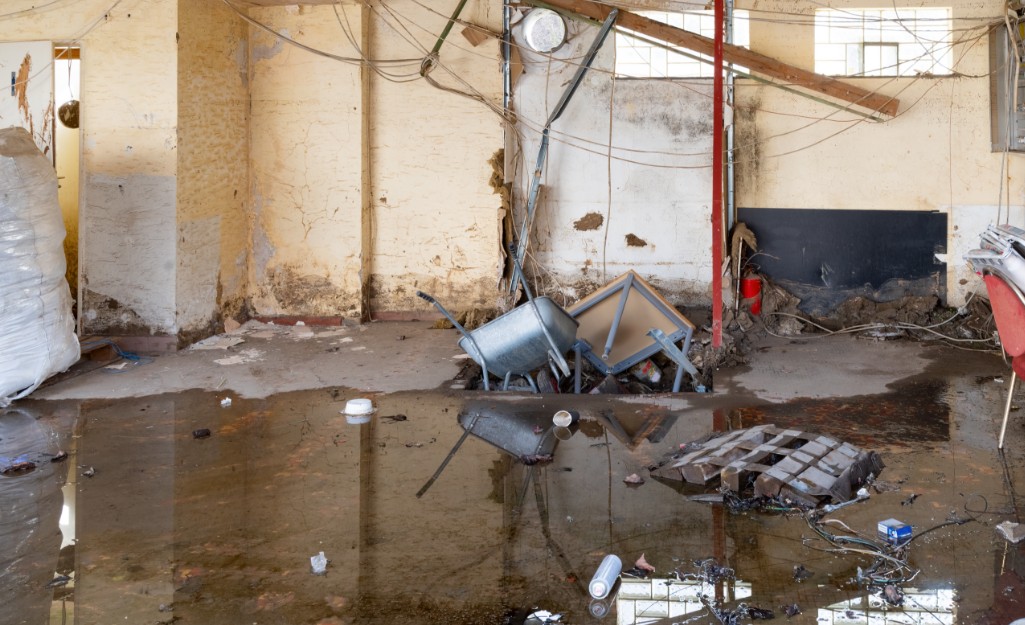
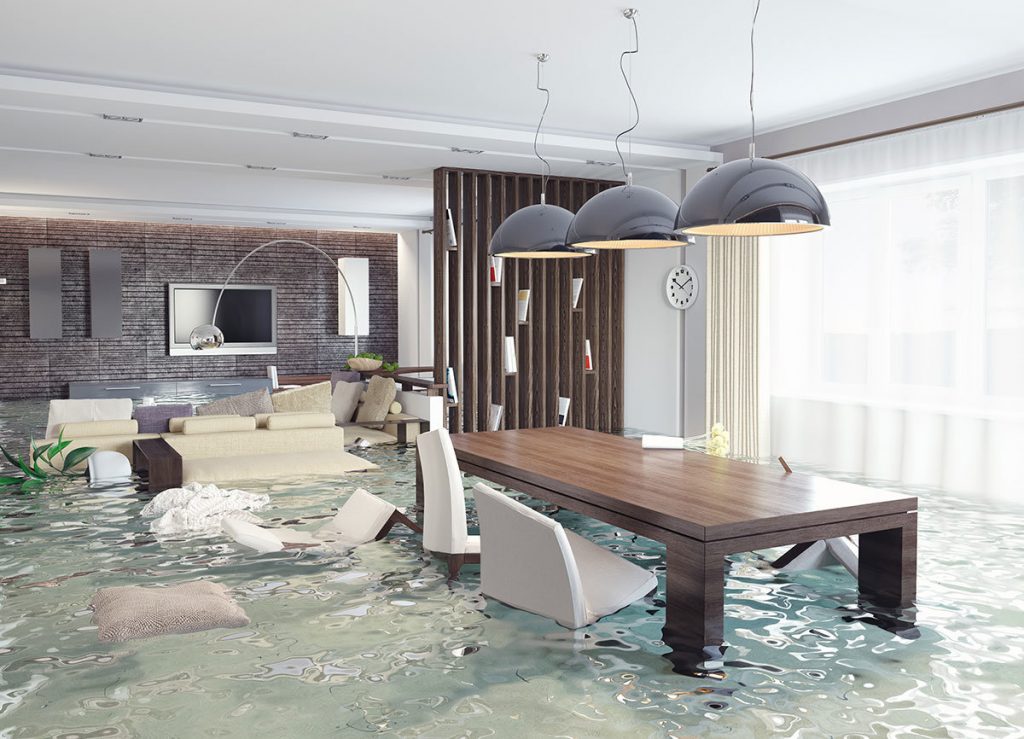
Water can seep under flooring and baseboards into wall openings while sofas, rugs, cabinets, and electronic devices may trap moisture that will remain concealed until properly dried off – without which, future issues could develop and worsen further.
Residential water damage restoration involves pinpointing each affected area and treating each one appropriately.
Contact us today!
813-501-3655
Key Takeaways
- Hidden Damage Is Common – Flooding can affect areas not immediately visible, such as under flooring, baseboards, walls, and furniture. Prompt assessment is crucial.
- Immediate Action Reduces Damage – Acting quickly after water intrusion prevents further structural damage, mold growth, and higher repair costs.
- Inspection and Assessment Are Essential – Professional inspection identifies all affected areas, measures moisture, and determines what can be salvaged versus what needs replacement.
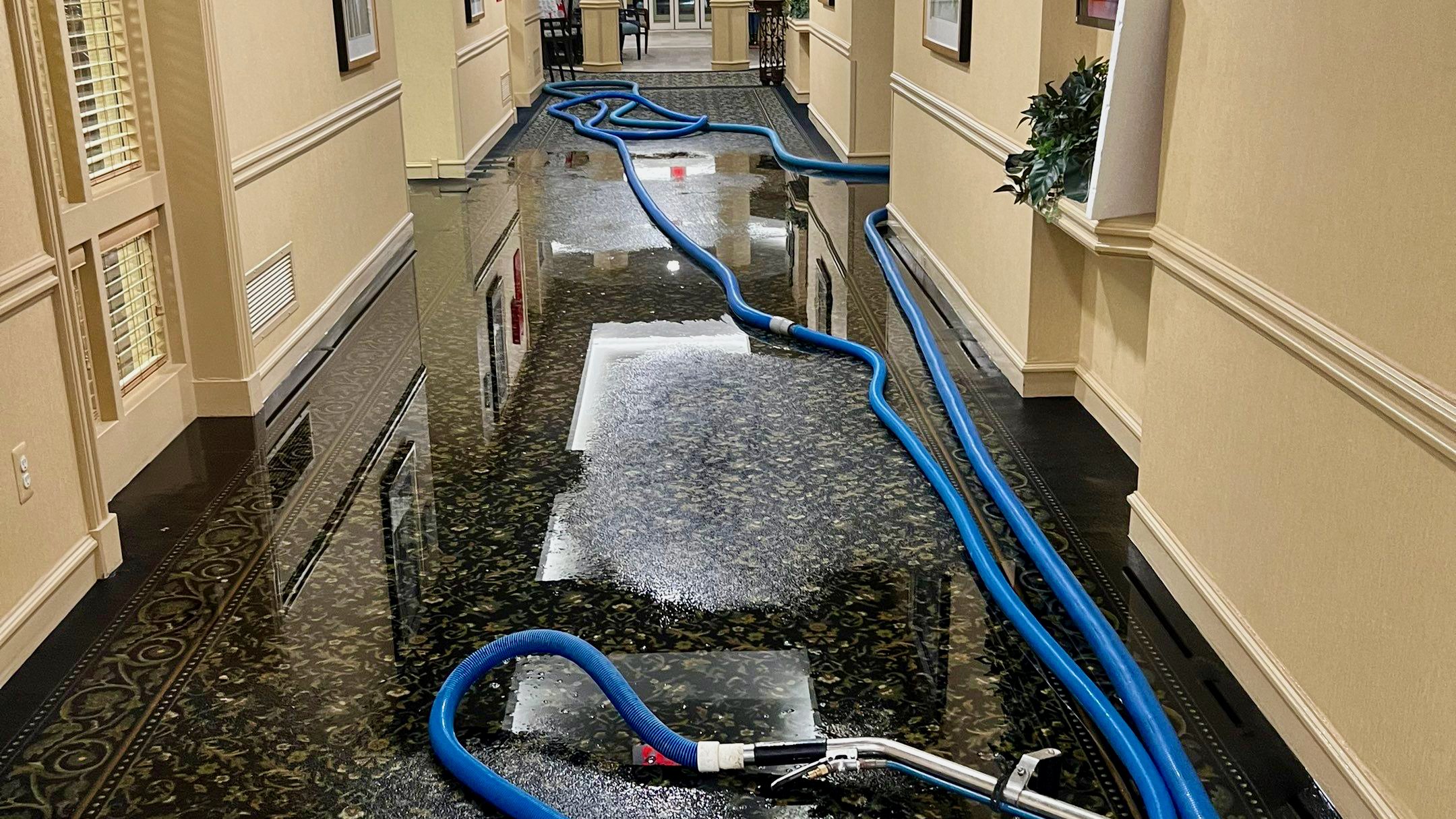
- Effective Water Removal and Drying – Using pumps, vacuums, and drying equipment ensures complete moisture extraction to prevent mold and structural issues.
- Cleaning and Sanitizing – Thorough cleaning of carpets, upholstery, and hard surfaces removes odors and prepares areas for repair and restoration.
Residential Water Damage Restoration: Why Immediate Cleanup Matters
Time is of maximum significance in residential water damage restoration, as quick action helps prevent further damage and costly repairs. Every hour that passes without movement being taken to contain or drain away stagnant water increases its harm exponentially – main to warped flooring, compromised walls, and mildew growth inside 24 to 48 hours.
Acting early allows more material to be salvaged from repairs while helping lower repair costs; timely cleanup also contributes to maintaining safe indoor air conditions.
Residential Water Damage Restoration: The Inspection and Assessment Process
Inspection is the foundation of residential water damage restoration. Our team examines the source and extent of any water sources; measures moisture levels; evaluates travel distance of any flooding events; determines what can be restored, what needs replacing; and ensures no affected areas go overlooked in their inspection process.
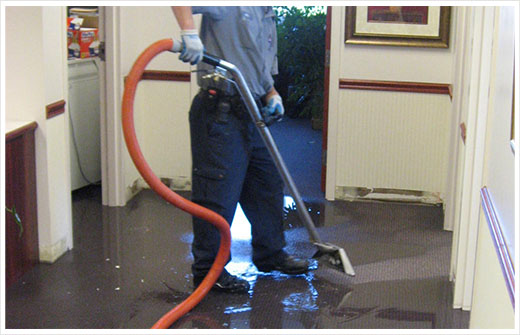
Residential Water Damage Restoration: Water Removal and Drying Methods
Drying times vary based on room size and saturation levels, and our team carefully monitors progress so each layer dries uniformly – an integral step to avoiding mold growth and structural issues in your home.
Contact us today!
813-501-3655
Residential Water Damage Restoration: Cleaning and Sanitizing the Living Area
Once water and moisture have been extracted from an area, it ought to be wiped clean and cleaned thoroughly to restore it to its previous condition. Carpets, upholstery, and hard surfaces may require extra special consideration depending on their source. Carpet, upholstery, and hard surface cleaning help remove odors while improving comfort; in addition to prepping surfaces for repair or restoration projects.
Residential Water Damage Restoration: Repairing and Restoring Your Home
Repair is the very last degree in residential water damage recovery and might involve replacing drywall, repainting walls, putting in new flooring, or refurbishing furniture. Our goal is to go back to your house, back to its unique country, so that you can return to normal lifestyles with confidence; each restoration plan can be tailor-made especially to fulfill your needs and luxury alternatives.
Long-Term Prevention Tips
After restoration, taking easy steps can lessen the danger of future flooding. Addressing leaks early, retaining plumbing structures well, and enhancing drainage around your home are all effective measures that contribute to growing a more secure environment.
Repairing Your Home with Trusted Expertise
Professional Water Restoration offers aid for flooded dwelling spaces through cautious assessment, thorough drying, and dependable upkeep. Our crew strives to restore comfort and safety in your own home while communicating truly at some stage in the recovery process.
We recognize how worrying water harm can be, so our awareness is to make recuperation more attainable at each step – by listening carefully, assessing issues, offering alternatives, actually, finishing tasks with care and attention to detail, and providing you with lower back that feeling of protection and luxury in your own home. Reach out these days with any inquiries or carrier wishes!
Conclusion
Flood damage restoration can be an exhausting and emotional process, but help is available. With constant guidance and clear communication from professionals, restoring your home becomes a manageable and straightforward process.
Frequently Asked Questions
- How soon should restoration begin after flooding?
It is best to begin as soon as possible to reduce damage and prevent mold growth.
- Can wet carpets be saved?
Many carpets can be saved if they are dried quickly and properly cleaned.
- Will there be odors after restoration?
When drying and sanitizing are done correctly, odors can be removed.
- How long does the drying process take?
Drying usually takes a few days, depending on the amount of water present.
- What if mold is already present?
If mold is found, it can be removed as part of the restoration process.